
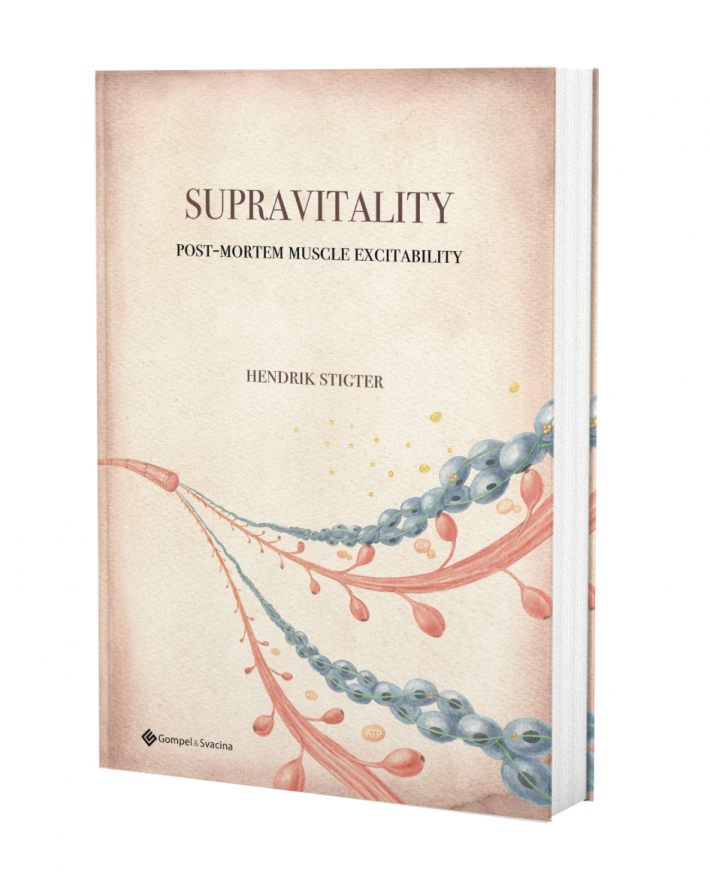
dit werk kent de volgende uitvoeringen
Paperback
ISBN9789463715980
verschijningsdatum19/12/2025
verschijningsdatum19/12/2025
Personen
Hendrik Stigter
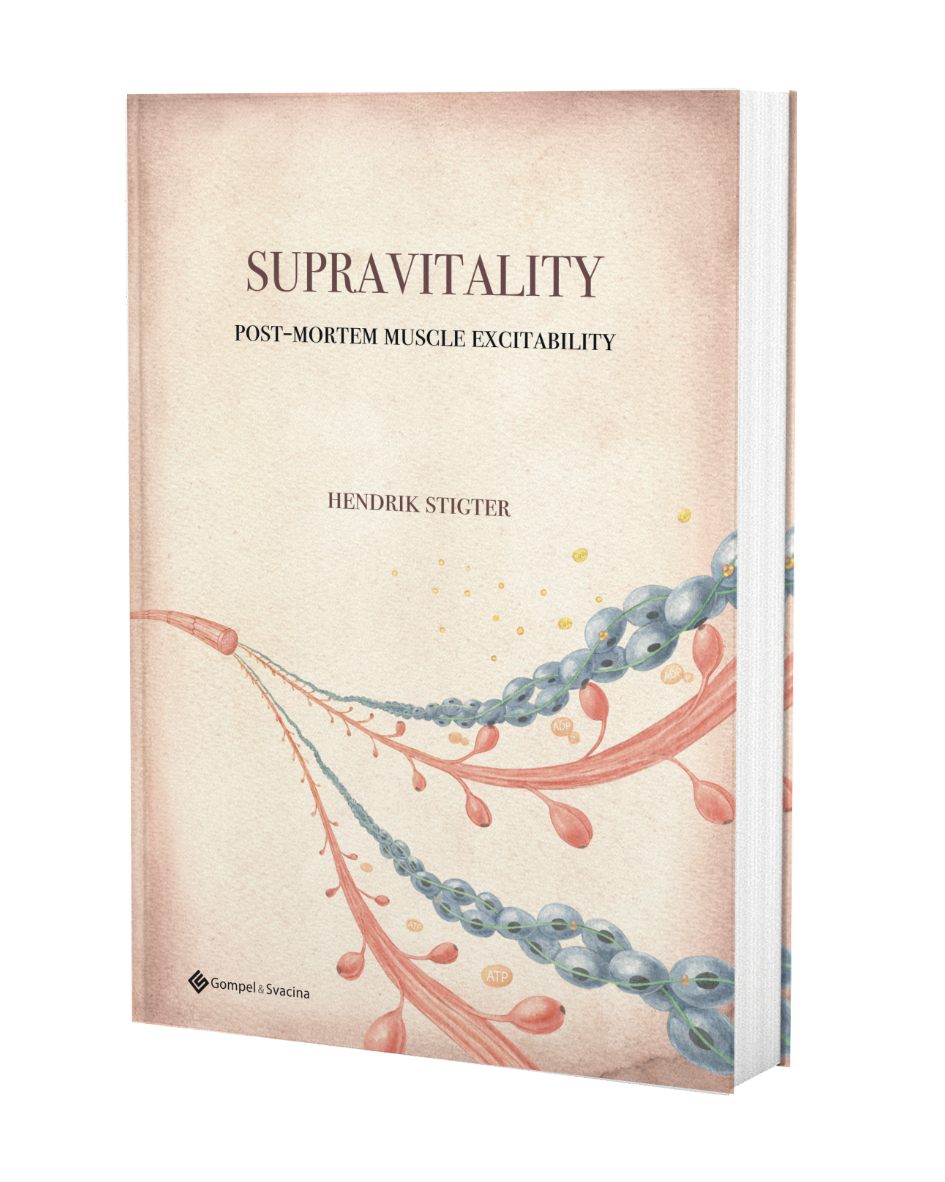
Supravitality
NUR Codes (sub)
870 Geneeskunde algemeen

Handboek transmurale zorg

Besliskunde in de radiologie

ARAR verklaar | 2013

Spreken en gesproken worden

Organisatie van de gezondheidszorg

Onzichtbaar ziek

Functiebehoud bij ouderen in levensloopperspectief

Recht en gezondheidszorg

Onverklaarbaar bewoond

In de spreekkamer van de psychiater

De winstgevende tandartspraktijk

Letsels van het steun- en bewegingsapparaat

Gastro-enterologie formularium

Insulinetherapie in de eerste lijn

Porseleinen facings

Handboek cerebrovasculaire aandoeningen

Protocollaire diabeteszorg, mogelijkheden voor taakdelegatie

Then came the parrot in our lives

Directieve therapie

Ik ga liever gewoon dood

Urologie

Leven met chronische hoofdpijn + audio CD

Energetische bescherming

Anatomie en fysiologie van de mens

Het menselijk lichaam voor dummies

Migraine voor dummies
VRIJ VAN CHRONISCHE DEPRESSIE IN 21 DAGEN

Alzheimer

Het Tandheelkundig Jaar 2009

Zakwoordenboek van de Diergeneeskunde
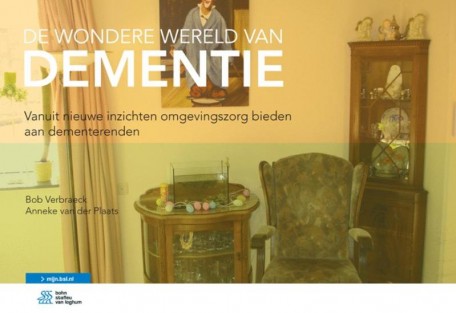
De wondere wereld van dementie

Probleemgeorienteerd denken in de geriatrie

Palliatieve zorg
Handboek FACT

Voedingsinterventie bij kanker

Tenen Lezen

Wegwijs in laboratoriumdiagnose

Voedselallergie

NAHder belicht

Van wanhoop naar hoop

Psychodiagnostiek anders bekeken

Liefde

In search of Andreas Vesalius

Medische keuzes

Gedragsdeskundigen in strafzaken

Volwassenen met ADHD

Basisboek enquêteren

Farmacotherapeutisch kompas | 2012

De kunst om met jezelf te leven

Over lijken
Imprints
Gompel & Svacina

Op zoek naar de ziel van Europa

Lang leve de mens

Bron en bestemming

Bedreigde psychodiversiteit

Sporen van transcendentie

Natuur, cultuur en het verdwijnen van de schepping

Geopolitieke kanttekeningen 2011-2018, en daarna
Zwarte Socrates

De zijlijn

Rechtvaardigheid, persoon en creativiteit

Faith in Democracy

Responses of Mysticism to Religious Terrorism
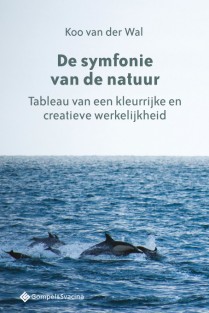
De symfonie van de natuur

Jodendom, een religie van leven

De eerste editie van Paulus

Flarden van gesprekken

Kosmopolieten

A Spiritual Discovery of the Christians in the Middle East
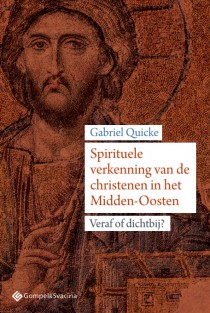
Spirituele verkenning van de christenen in het Midden-Oosten

Macht en onmacht van haat

In de ban van levensvisie

Van verkracht naar veerkracht

Het menuet van Kondratieff

Als het misgaat thuis

Waarom ruimte, energie en mobiliteit problemen zullen blijven

De onvervulde belofte

Het kleine klimaatboek

Geen moment verloren
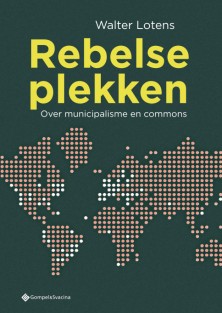
Rebelse plekken

Alleen mama

Klimaat en sociale rechtvaardigheid

Intimiteit en seksualiteit in woonzorgcentra

Voorbij het vroege gemis

Van jeneverellende tot Tournée Minérale

Niet alleen ons brein

Communicare

Onderzoeksvaardigheden in de letteren en de boekgeschiedenis
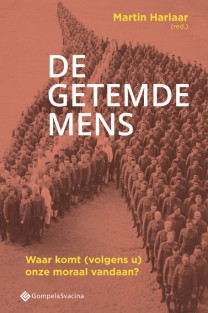
De getemde mens

Oud, niet ,'out'; maar goud!

Lichaam, zin en zorg

Lessen van Aladdin, Hans en Grietje en vele anderen

Verhalen voor (zorg)begeleiders

Consultatieve leerlingbegeleiding

Verhalen uit de leefgroep

Franse scholen in Nederland

Discriminatie op de private huurmarkt

Kinderen in armoede

Regelgeving van het Basisonderwijs in Vlaanderen

Zichtbaar leren in Lichamelijke Opvoeding

Turbulente leerlingen